
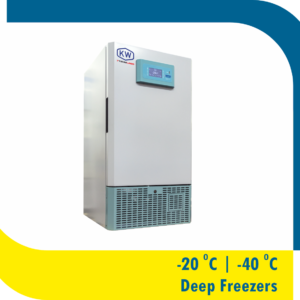
−20C | −40C Deep Freezers
-20°C and -40°C Laboratory Freezers are designed to provide reliable and stable low-temperature storage for a wide range of biological, pharmaceutical, and laboratory materials. Engineered for consistent cooling performance and temperature uniformity, these freezers support critical storage applications requiring dependable preservation conditions.
Widely utilized in hospitals, diagnostic laboratories, blood banks, research facilities, biotechnology, pharmaceutical, IVF, and academic laboratories, these freezers are suitable for storing reagents, enzymes, plasma, vaccines, biological samples, chemicals, culture media, and other temperature-sensitive materials.
Equipped with advanced refrigeration systems, intelligent temperature controls, high-quality insulation, and integrated safety alarm systems, -20°C and -40°C freezers ensure enhanced sample protection, operational reliability, and energy-efficient performance. Their durable construction and user-friendly design make them an essential solution for routine laboratory and healthcare cold storage requirements.
Read more
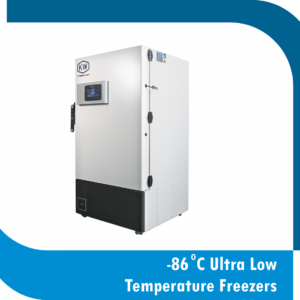
−86C Ultra Low Temperature Freezers
-86°C Ultra Low Temperature (ULT) Freezers are designed for secure and reliable long-term preservation of temperature-sensitive biological materials, ensuring sample integrity under critical storage conditions. Engineered for high-performance cold storage applications, these freezers provide precise temperature uniformity, rapid recovery, and dependable operation for laboratories and healthcare facilities.
Widely used in biobanking, molecular biology, stem cell research, pharmaceutical, biotechnology, IVF, clinical diagnostics, blood banking, and research laboratories, -86°C freezers are ideal for the storage of plasma, vaccines, DNA/RNA samples, cell lines, tissue specimens, reagents, and other valuable biological materials.
Built with advanced refrigeration technology, high-efficiency insulation, intelligent microprocessor controls, and comprehensive alarm and monitoring systems, these freezers ensure maximum sample protection, operational safety, and energy-efficient performance. Their robust construction and stable ultra-low temperature environment support compliance with stringent laboratory and regulatory requirements for critical sample storage applications.
Read more
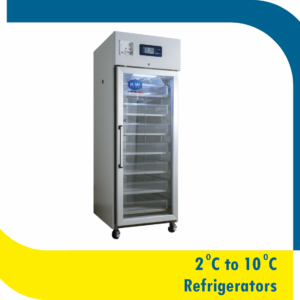
2C to 10C Refrigerators
Laboratory Refrigerators are designed to provide precise, stable, and reliable temperature-controlled storage for sensitive laboratory, pharmaceutical, clinical, and biological materials. Engineered to maintain uniform cooling conditions, these refrigerators ensure the safe preservation of temperature-sensitive samples, reagents, vaccines, chemicals, media, and diagnostic products.
Widely used in hospitals, diagnostic centers, blood banks, biotechnology, pharmaceutical, IVF, research, and academic laboratories, laboratory refrigerators support critical storage applications requiring consistent temperature performance and enhanced sample protection.
Equipped with advanced cooling systems, intelligent temperature controllers, high-quality insulation, adjustable storage configurations, and integrated alarm and monitoring systems, these refrigerators deliver operational reliability, energy-efficient performance, and compliance with laboratory storage requirements. Their robust construction and precise temperature management help maintain product integrity, reduce temperature fluctuations, and support uninterrupted laboratory operations.
Read more
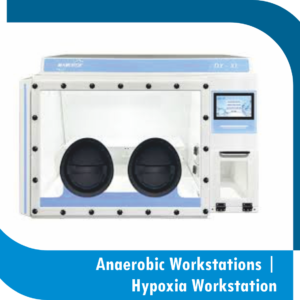
Anaerobic Workstations | Hypoxia Workstation
Anaerobic and Hypoxic Workstations are advanced controlled-environment systems designed to provide precise oxygen-regulated conditions for sensitive biological, microbiological, and cell culture applications. Engineered to maintain stable anaerobic or low-oxygen environments, these workstations support critical research and processing activities where controlled atmospheric conditions are essential.
Widely utilized in microbiology, stem cell research, molecular biology, pharmaceutical, biotechnology, IVF, oncology, and research laboratories, these systems are ideal for anaerobic microbial culture, hypoxic cell culture studies, cancer research, tissue engineering, and oxygen-sensitive experimental procedures.
Equipped with advanced gas control systems, real-time environmental monitoring, integrated incubation capabilities, airtight chamber construction, and user-friendly touchscreen interfaces, Anaerobic and Hypoxic Workstations ensure precise environmental stability, contamination control, and operational reliability. Their ergonomic design and automated atmosphere regulation support consistent experimental outcomes while enhancing laboratory productivity and sample integrity.
Read more
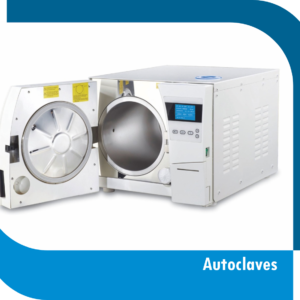
Autoclaves
An Autoclave is a high-pressure steam sterilization system designed to eliminate bacteria, viruses, fungi, spores, and other microorganisms from laboratory instruments, media, glassware, surgical tools, and biomedical waste. It operates using saturated steam under controlled temperature and pressure conditions to achieve effective and reliable sterilization for laboratory, medical, pharmaceutical, and industrial applications.
Autoclaves are widely used in hospitals, research laboratories, biotechnology facilities, pharmaceutical industries, healthcare institutions, and educational laboratories for sterilization of culture media, laboratory equipment, surgical instruments, liquids, and contaminated waste materials. The system ensures compliance with sterilization standards, enhances laboratory safety, prevents cross-contamination, and supports accurate and contamination-free scientific and clinical procedures.
Read more
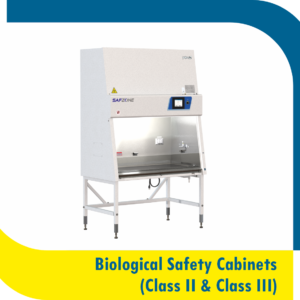
Biological Safety Cabinets (Class II & Class III)
Biosafety Cabinets are designed to provide advanced protection for personnel, products, and the laboratory environment during critical biological and microbiological procedures. Certified in accordance with internationally recognized NSF/ANSI standards, these cabinets ensure reliable containment performance, airflow stability, and contamination control for sensitive laboratory applications.
Engineered with high-efficiency HEPA filtration systems, ergonomic construction, low-noise operation, and energy-efficient technology, these cabinets support safe and contamination-free workflows across microbiology, biotechnology, pharmaceutical, molecular biology, IVF, stem cell, CAR-T, and research laboratories.
Each cabinet undergoes stringent performance testing to verify airflow balance, filter integrity, and operational safety, helping laboratories maintain biosafety compliance, sample protection, and consistent operational reliability. Ideal for handling infectious agents, cell cultures, sterile preparations, and sensitive biological samples, NSF Certified Biosafety Cabinets are an essential component of modern laboratory infrastructure.
Read more
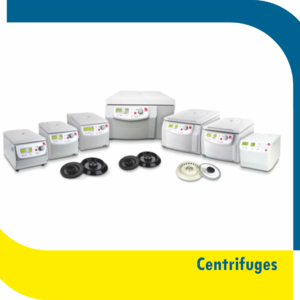
Centrifuges
Laboratory Centrifuges are essential sample processing systems designed for the efficient separation of biological, chemical, and clinical components based on density. Engineered for precision, stability, and high-performance operation, centrifuges support a wide range of laboratory applications requiring reliable sample preparation and processing.
Widely utilized in clinical diagnostics, biotechnology, pharmaceutical, molecular biology, IVF, blood banking, research, and academic laboratories, centrifuges are ideal for applications including plasma and serum separation, cell harvesting, molecular sample preparation, microbiological processing, and routine laboratory analysis.
Equipped with advanced speed control systems, programmable operating parameters, safety locking mechanisms, low-noise operation, and durable rotor configurations, Laboratory Centrifuges ensure consistent performance, sample integrity, and operational safety. Their robust construction and user-friendly design support efficient workflow management and dependable laboratory operations across diverse scientific and healthcare environments.
Read more
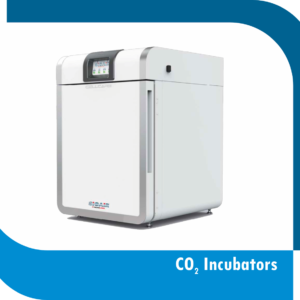
CO2 Incubators
CO₂ Incubators are precision-controlled laboratory systems designed to maintain optimal temperature, humidity, and carbon dioxide levels for sensitive cell culture and biological research applications. Engineered to provide stable and contamination-controlled growth environments, these incubators support consistent and reproducible experimental conditions for advanced laboratory workflows.
Widely utilized in cell biology, molecular biology, IVF, stem cell research, pharmaceutical, biotechnology, oncology, tissue engineering, and clinical research laboratories, CO₂ incubators are ideal for mammalian cell culture, embryo culture, tissue cultivation, and other applications requiring controlled atmospheric conditions.
Equipped with advanced microprocessor-based controls, uniform airflow systems, high-accuracy CO₂ sensing technology, contamination control features, and user-friendly digital interfaces, CO₂ Incubators ensure precise environmental stability, sample protection, and reliable laboratory performance. Their robust construction and efficient chamber design support enhanced productivity, reduced contamination risk, and long-term operational reliability for critical research and clinical applications.
Read more
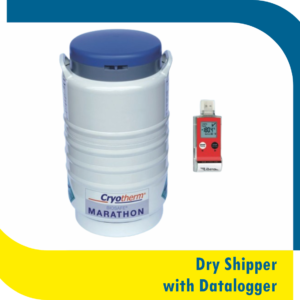
Dry Shipper with Datalogger
Cryo Shippers are specialized cryogenic transport systems designed for the safe and secure transportation of biological samples at ultra-low temperatures using liquid nitrogen vapor technology. Engineered to maintain stable cryogenic conditions during transit, these systems ensure the integrity and viability of sensitive biological materials over extended transportation periods.
Widely utilized in biobanking, IVF centers, stem cell laboratories, cord blood banks, pharmaceutical, biotechnology, research, and clinical facilities, Cryo Shippers are ideal for the transport of embryos, stem cells, semen samples, tissues, cell lines, blood components, and other temperature-sensitive biological specimens.
Constructed with advanced vacuum insulation technology, durable cryogenic-grade materials, and secure sample storage configurations, Cryo Shippers provide minimal liquid nitrogen evaporation, enhanced thermal retention, and reliable transport performance. Their robust design and compliance-oriented safety features support secure cryogenic logistics while maintaining sample stability and contamination-free transport conditions for critical healthcare and research applications.
Read more
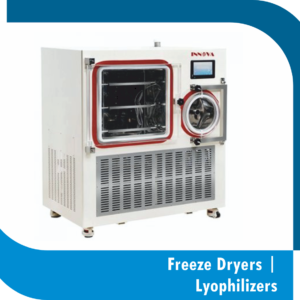
Freeze Dryers | Lyophilizers
A Freeze Dryer (Lyophilizer) is an advanced laboratory and industrial equipment designed for the preservation and long-term storage of sensitive biological, pharmaceutical, and chemical materials through the process of lyophilization. The system removes moisture from frozen samples under high vacuum conditions by sublimation, thereby maintaining the structural integrity, stability, and biological activity of the product.
Freeze dryers are widely used in pharmaceuticals, biotechnology, research laboratories, food processing, healthcare, and chemical industries for applications such as vaccine preservation, enzyme and protein stabilization, microbial culture storage, tissue preservation, and preparation of heat-sensitive materials. The process significantly enhances product shelf life, facilitates easy transportation and storage, and ensures reliable product quality and reproducibility.
Read more
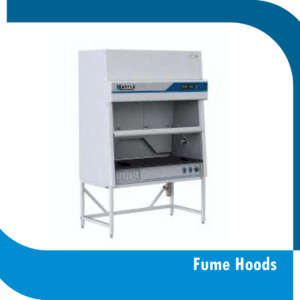
Fume Hoods
Laboratory Fume Hoods are essential safety systems designed to protect laboratory personnel from hazardous fumes, vapors, gases, and chemical contaminants generated during laboratory procedures. Engineered to provide controlled airflow and effective exhaust ventilation, fume hoods help maintain a safe and compliant working environment for chemical handling and research activities.
Widely utilized in pharmaceutical, chemical, biotechnology, research, academic, industrial, and quality control laboratories, fume hoods are ideal for applications involving chemical reactions, solvent handling, sample preparation, toxic material processing, and other procedures requiring exposure control.
Equipped with high-efficiency airflow systems, durable corrosion-resistant construction, ergonomic designs, and advanced monitoring and safety features, Laboratory Fume Hoods ensure reliable containment performance, operational safety, and user comfort. Their robust engineering and efficient ventilation capabilities support regulatory compliance while enhancing laboratory safety and workflow efficiency.
Read more
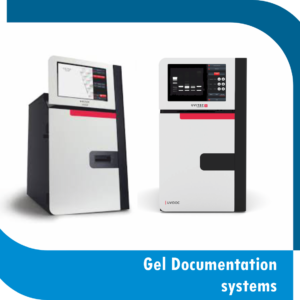
Gel Documentation systems
Gel Documentation Systems are advanced imaging and analysis platforms designed for the visualization, documentation, and analysis of nucleic acid and protein gels in molecular biology and life science laboratories. Engineered to deliver high-resolution imaging with precise detection capabilities, these systems support accurate analysis and reliable experimental documentation.
Widely utilized in molecular biology, biotechnology, pharmaceutical, genetic research, clinical diagnostics, academic, and research laboratories, gel documentation systems are ideal for applications involving DNA/RNA analysis, protein electrophoresis, PCR product evaluation, gel imaging, and fluorescence or chemiluminescence detection.
Equipped with high-sensitivity imaging sensors, advanced illumination systems, intuitive software interfaces, and integrated image analysis capabilities, Gel Documentation Systems ensure enhanced image clarity, reproducibility, and efficient workflow management. Their robust design and reliable performance support accurate data acquisition, secure documentation, and high-quality analytical results for modern laboratory applications.
Read more
